
Zoomies: What They Are, Why They Happen and How to Handle Them.
If you’ve ever watched your dog suddenly explode into a burst of wild energy, racing around the house, skidding across floors, spinning in tight circles then you’ve witnessed what many dog guardians affectionately call the 'zoomies'. While they can be hilarious and sometimes chaotic, zoomies are actually a completely normal part of canine behaviour.
As a dog trainer, I’m often asked whether zoomies are something to worry about, especially in puppies. The short answer is no but understanding them can help you manage your dog’s energy in a healthy and productive way.
What Are Zoomies?
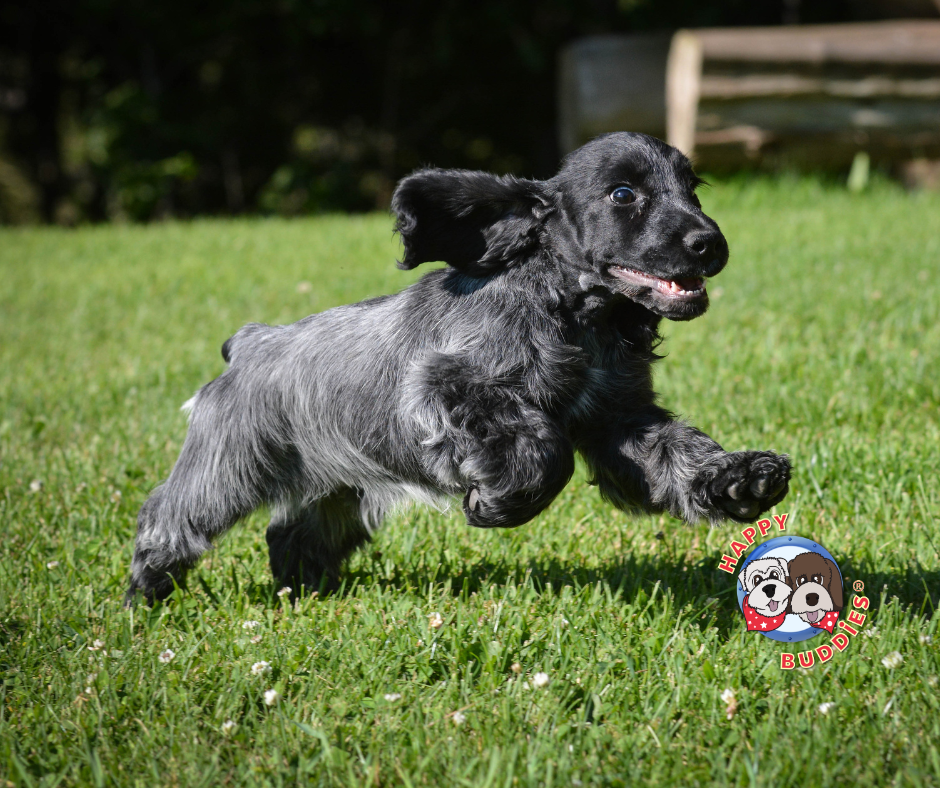
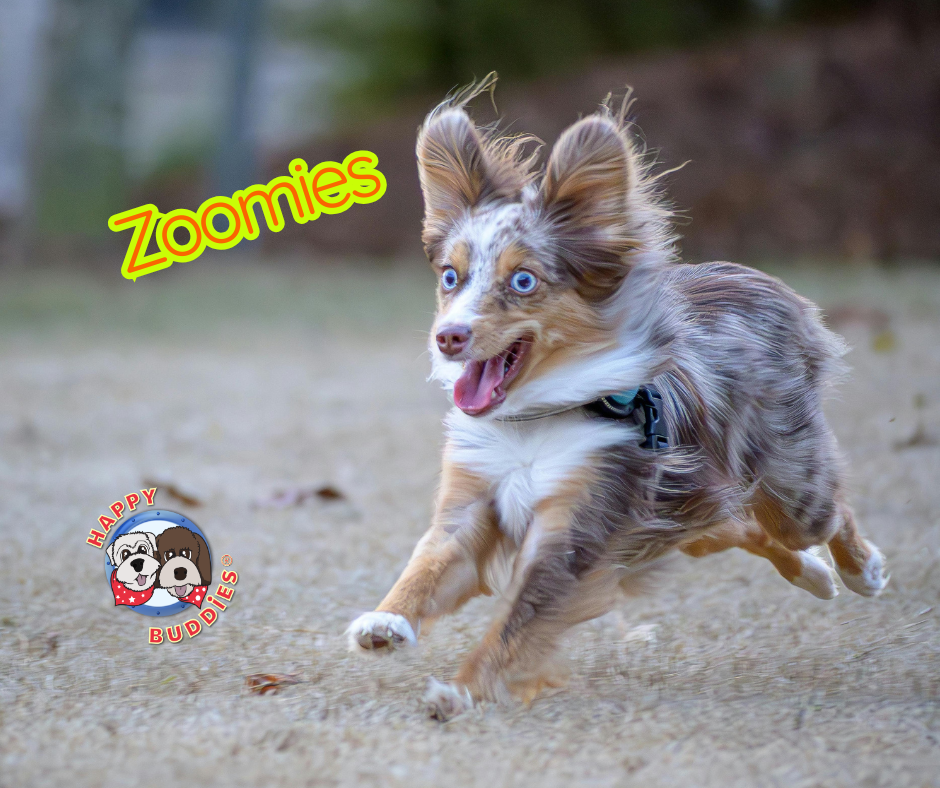
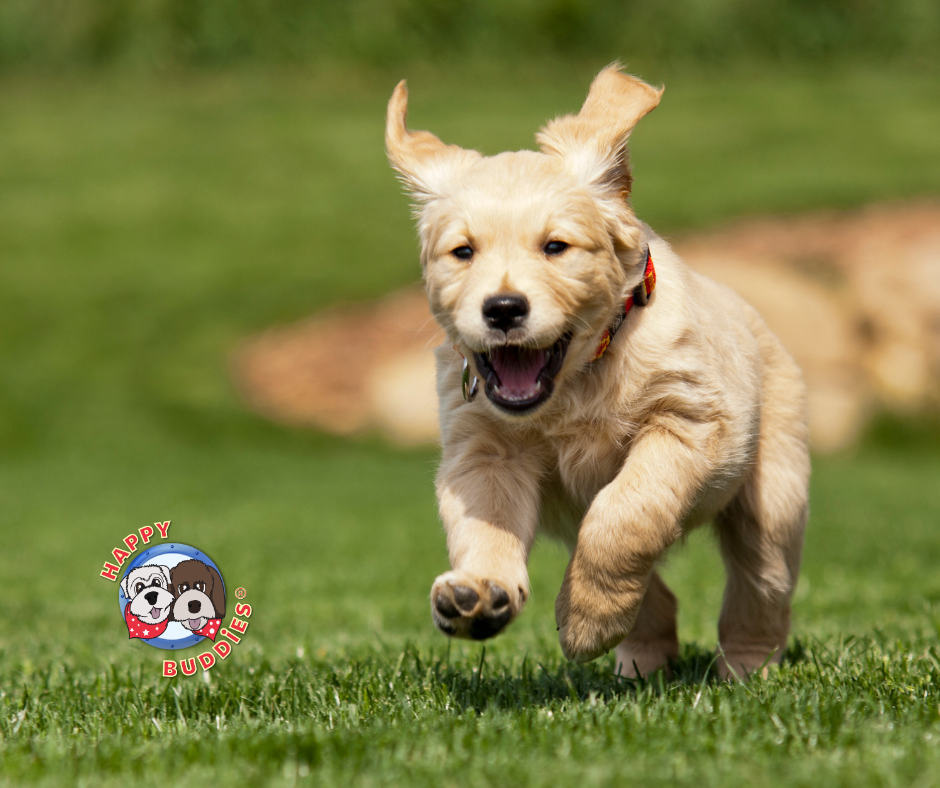
'Zoomies' is the common term for Frenetic Random Activity Periods (FRAPs). These are short bursts of high-energy activity where a dog appears to temporarily lose all sense of calm and control.
Typical zoomie behaviour includes:
Sprinting back and forth at high speed
Sudden sharp turns or spinning
Play bows mid-run
Excited barking or playful growling
Sliding across floors or furniture
These episodes usually last anywhere from a few seconds to a couple of minutes, after which your dog often returns to normal as if nothing happened.
Why Do Dogs Get Zoomies?
Zoomies are a natural way for dogs to release pent-up energy or emotional tension. Think of it like a pressure valve - when enough energy builds up, it has to come out somehow.
Here are the most common triggers:
1. Excess Energy Release
If your dog hasn’t had enough physical or mental stimulation, zoomies are often the result. This is especially common in:
Puppies and young dogs
High-energy breeds
Dogs with inconsistent exercise routines
2. Excitement or Overstimulation
Dogs often get zoomies when they are extremely happy or stimulated. Common moments include:
After you come home
During playtime
When meeting other dogs
3. After Bath Time
Many dogs sprint wildly after a bath and this could be attributed to a mix of:
Relief that the bath is over
An instinct to dry off
A release of mild stress
4. After-Pooping (Post-Toilet Burst)
This is very common and usually completely harness but there are a few reasons why dogs get zoomies after a poop:
Relief and physical release: Passing a stool can create a brief feeling of relief or even mild euphoria.
Lightness and comfort: Simply put, your dog feels better and more comfortable after going to the toilet.
Habit and routine: If your dog often gets praise or gets a reaction from you (laughter) they may associate it with excitement.
5. Pre-Bed Energy Burst
Some dogs experience zoomies in the evening and might be part of their 'witching hour'. This can happen when:
They are overtired (like a toddler)
They need one last energy release before settling
6. Emotional Release
Zoomies can also follow slightly stressful situations like grooming, vet visits or uncomfortable dog-dog interactions. They do this as a way to shake off tension.
Why Do Puppies Get Zoomies More Than Older Dogs?
Puppies are definitely the undisputed champions of zoomies and for good reason.
1. Developing Nervous Systems - Puppies are still learning how to regulate their emotions and energy levels. Zoomies are part of that developmental process.
2. Short Energy Cycles - Unlike adult dogs, puppies tend to switch more quickly between high energy and total exhaustion and it's very common for zoomies to often happen right before a crash (nap time).
3. Learning Through Movement - Puppies explore the world physically. Running, spinning and sudden bursts of movement help them to build coordination, develop muscles and practice social play behaviours.
4. Overstimulation - Too much excitement, noise or interaction can overwhelm a puppy and zoomies can be their way of coping.
Should You Be Concerned?
In most cases, zoomies are completely normal and healthy. However, you should pay attention if:
Your puppy or dog is crashing into objects or getting injured
The behaviour becomes obsessive or constant
It’s paired with signs of anxiety (panting, pacing, inability to settle)
If in doubt, first contact a vet to rule out any medical reason for these things happening and if there is no medical reason for it, I'll happily help!
How to Manage and Channel Zoomies
You don’t need to stop zoomies but you can guide them in a safer, more controlled way by:
1. Providing Structured Exercise
A well-exercised dog is less likely to have explosive indoor zoomies so aim for:
Daily walks suited to your dog’s age and breed
Suitable exercise
Off-lead running in safe areas
Interactive play with toys.
For puppies, keep exercise short and appropriate to their development.
2. Adding Mental Stimulation
Mental stimulation is just as important as physical exercise so provide activities using:
Basic training sessions
Scent games
A mentally satisfied dog is calmer overall.
3. Building a Routine
Dogs thrive on predictability so providing a regular schedule for walks, meal times, playtime and sleep all help to reduce excess energy spikes.
4. Creating Safe Zoomie Zones
Instead of stopping zoomies, redirect them by allowing access to:
A secure garden
A large open room
A safe off-lead walk or secure field
Avoid tight spaces where your dog could slip or collide with furniture.
5. Teaching Calmness Skills
Training your dog to settle is just as important as exercise so work on:
Training a settle or place training
Rewarding calm behaviour
Playing calm dog games
Teaching your dog how to switch off
This is especially important for puppies who struggle with self-regulation.
6. Watch for Overtired Puppies
If your puppy gets zoomies late in the day, they may actually need sleep rather than more activity.
Signs of overtiredness include:
Biting or nipping
Ignoring cues
Wild, frantic zoomies
The witching hour
In this case, guide them calmly to a quiet space for rest.
7. Stay Calm and Avoid Punishment
Zoomies are not bad behaviour and punishing your dog can increase stress, create confusion and lead to more erratic behaviour. Instead, stay neutral and guide them safely.
In Summary
Zoomies are one of the most joyful and natural expressions of canine energy. While they can be inconvenient at times, they are usually a sign that your dog is healthy, happy and full of life.
By understanding why zoomies happen - especially in puppies - you can manage them effectively, keep your dog safe and even enjoy the chaos a little more. I love it when my dogs have the zoomies - I just sit back and watch and relish in their happiness - after all, there’s something pretty special about watching pure, unfiltered joy in motion.
FAQ’s: Puppy Zoomies
Why does my puppy get zoomies at night?
This is often due to overtiredness or excess energy, especially in puppies.
How long do zoomies last?
Typically between 30 seconds and a few minutes.
Should I stop my puppy’s zoomies?
No but you should manage them safely and prevent injury.
Why does my dog run around after pooping?
Dogs often get zoomies after pooping due to relief, nerve stimulation and natural instinct. It’s normal and usually nothing to worry about.
Do zoomies mean my dog is happy?
Often, yes! Zoomies are usually linked to excitement and positive energy, though they can also be a sign of stress release.