Christmas Dog Safety: How to Keep Your Dog Safe and Happy During the Festive Period.
Christmas is a magical time filled with decorations, indulgent food, visitors and celebrations. However, it also brings a change in routine, environment and activity levels within the home. While this is often an enjoyable time for us humans, it can be stressful, overwhelming and present a number of health and safety risks for our dogs. Understanding these risks and taking preventative measures can help ensure your dog remains safe, calm, comfortable and happy throughout the festive period.
1. Christmas Foods That Are Dangerous for Dogs
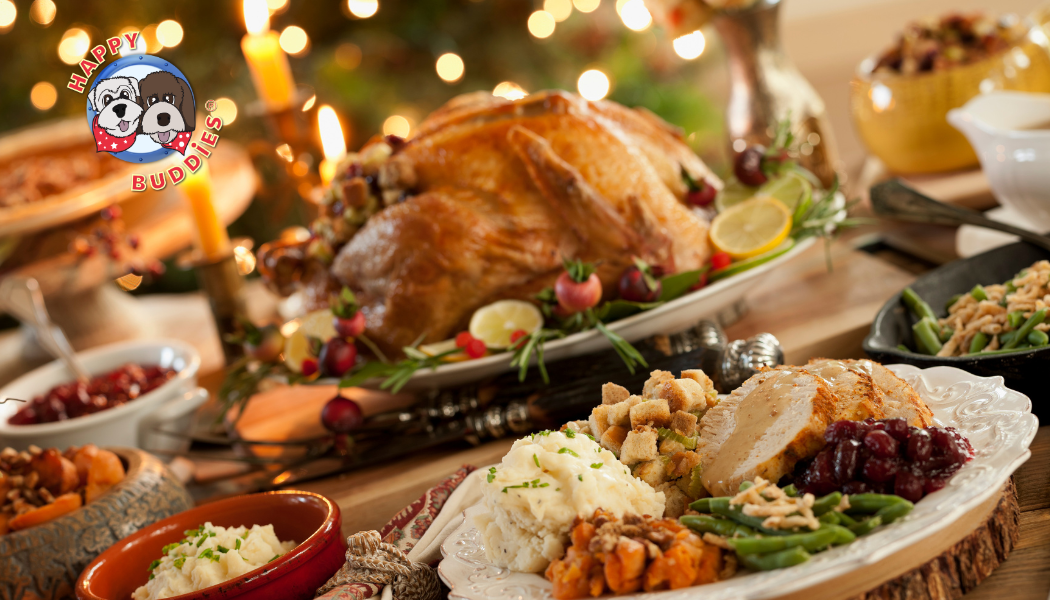
Many traditional festive foods are unsuitable or toxic for dogs and are a leading cause of emergency veterinary visits during Christmas. Items to keep well out of their reach include:
Chocolate and cocoa products
Mince pies, Christmas pudding and fruit cake (due to the raisins and sultanas)
Cooked bones, particularly poultry bones
Onions, garlic, leeks and stuffing
Alcohol, rich gravy and fatty foods
Sudden changes in diet can cause gastrointestinal upset or pancreatitis. If you’d like to treat your dog at Christmas, choose dog-safe treats (avoid rawhide) or stick to their regular food.
2. Managing Christmas Decorations, Presents and Household Hazards
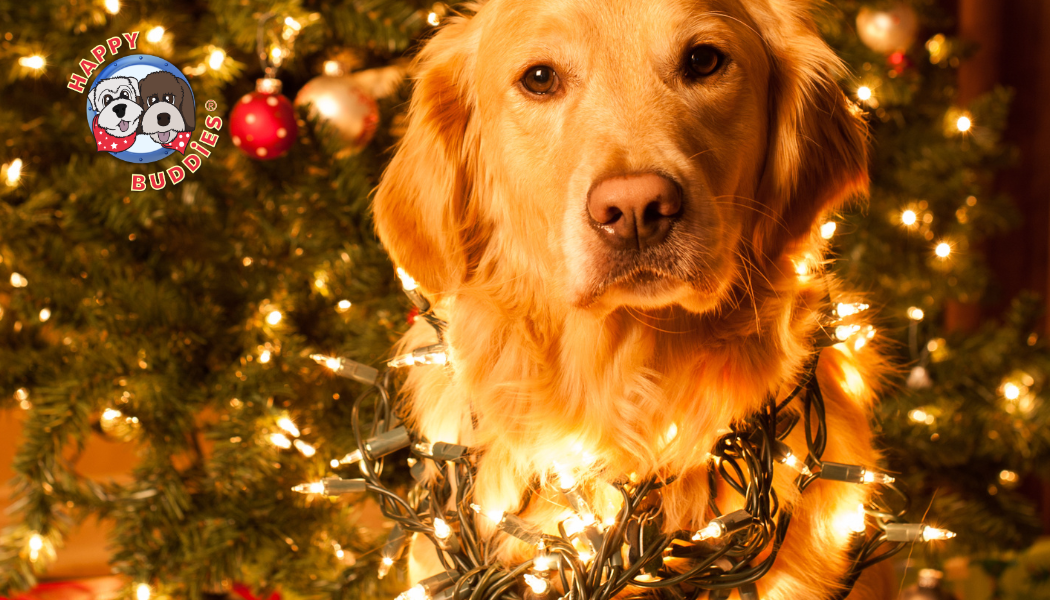
Christmas decorations may look fun to play with but they can pose significant risks if chewed or ingested. Common hazards include:
Tinsel, which can cause serious internal injuries and blockages if swallowed.
Glass baubles and ornaments can shatter
Electrical wires and fairy lights can be chewed and lead to burns or shocks
Christmas trees can fall so should be securely positioned and decorations placed out of reach to reduce the risk of injury or ingestion.
Before putting presents under the Christmas Tree, ask those who give them to you whether they are safe for dogs - they may contain things that aren’t such as chocolates.
3. Create a Calm, Safe Space
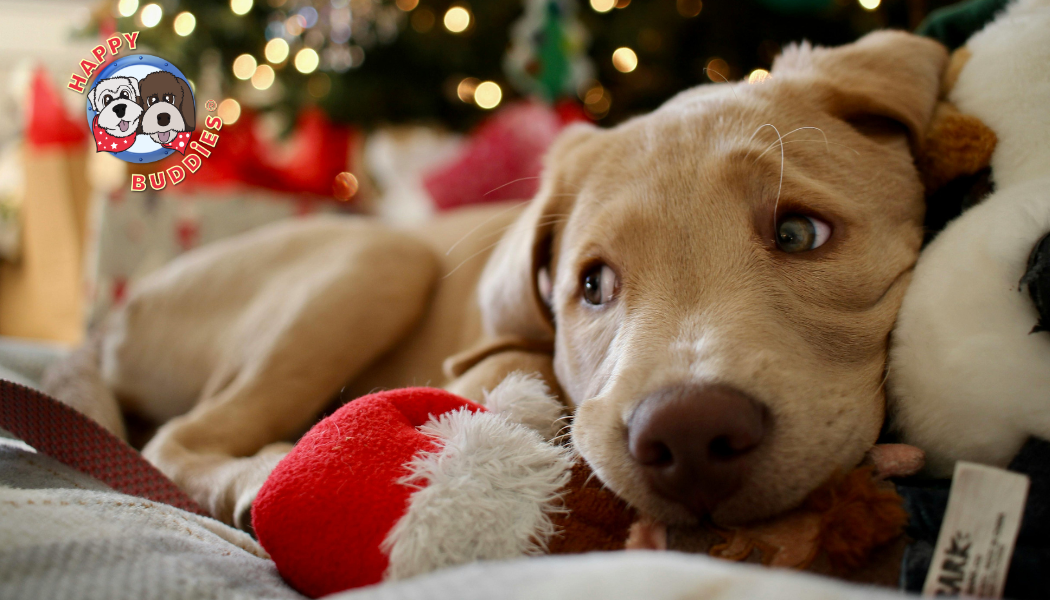
Increased visitors, noise and activity can be stressful for dogs. Provide a dedicated quiet space that your dog can retreat to. This area should include:
A comfortable bed, crate and/or pen (this space should be a place your dog already feels comfortable to be in but if not possible, you’ll need to do some training to help them feel happy in a new place)
Familiar blankets and toys
Access to fresh water and minimal noise
Let guests know to give your dog space, especially children who may be excited and advise guests not to disturb your dog when they’re resting, especially if they’re feeling overwhelmed.
4. Maintaining Routine and Stability
Dogs thrive on routine and Christmas can disrupt normal schedules. Maintaining structure helps reduce anxiety, supports behavioural stability and helps supports their emotional wellbeing. During the festive period, aim to maintain consistency in:
Feeding schedules
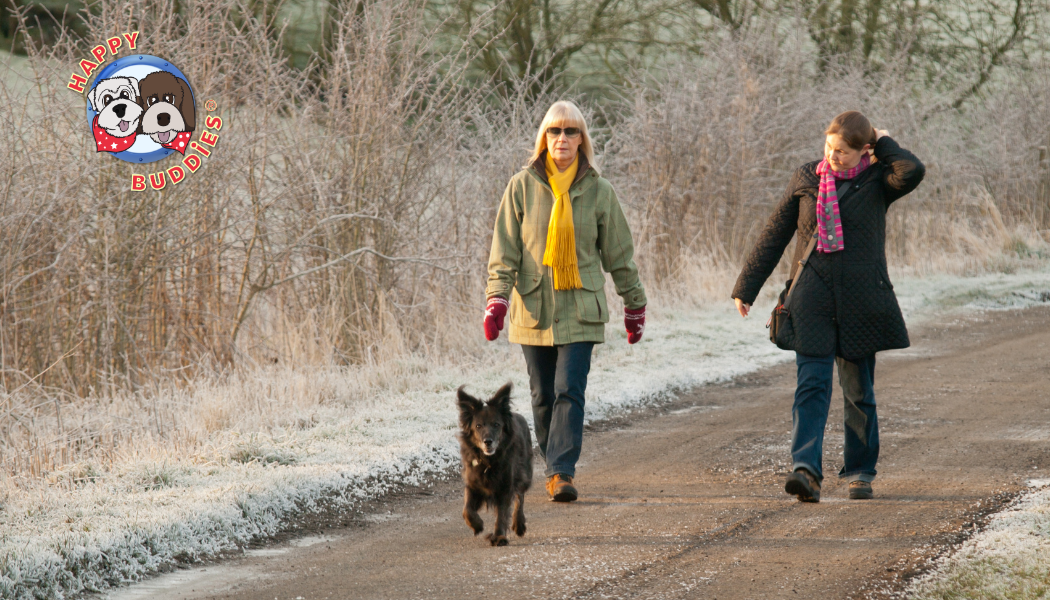
Exercise and daily walks
Sleep routines
Maintaining structure at this busy time will help your dog feel secure and reduce anxiety.
5. Preventing Escapes and Managing Firework Stress
Increased foot traffic increases the risk of doors being left open and this can heighten the risk of your dog escaping. Ensure:
Identification tags are worn at all times
Microchip details are current
Doors and gates are secured
Your dog is supervised when visitors arrive
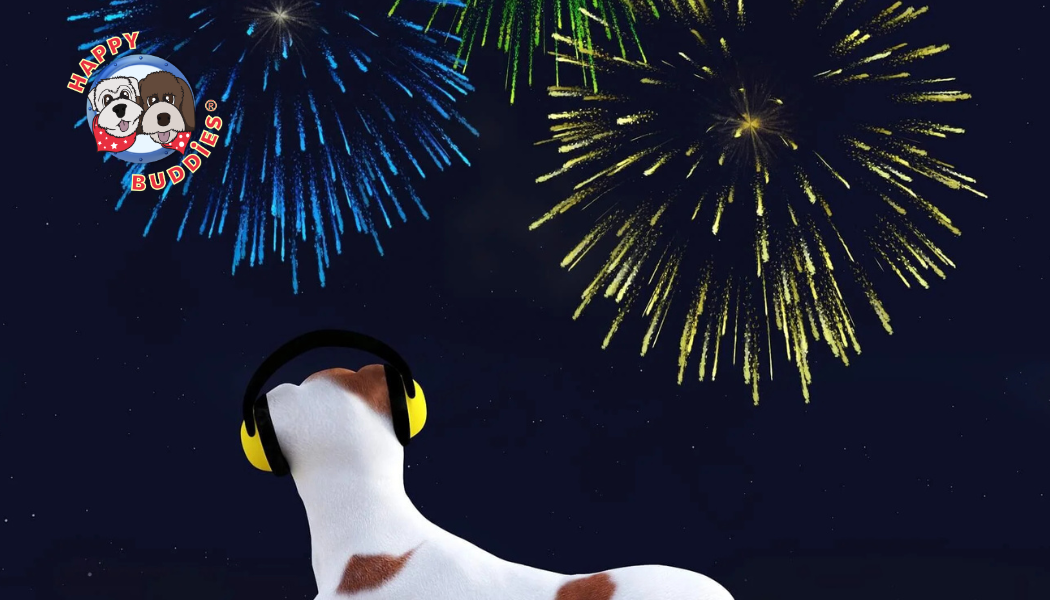
Fireworks can also cause significant distress. Keep your dog indoors, close curtains, offer reassurance and provide a calm environment can help reduce fear-related behaviours
6. Selecting Safe and Appropriate Toys
If gifting your dog a Christmas gift, choose toys that are:
Appropriately sized
Free from small or detachable parts
Durable and suitable for supervised use
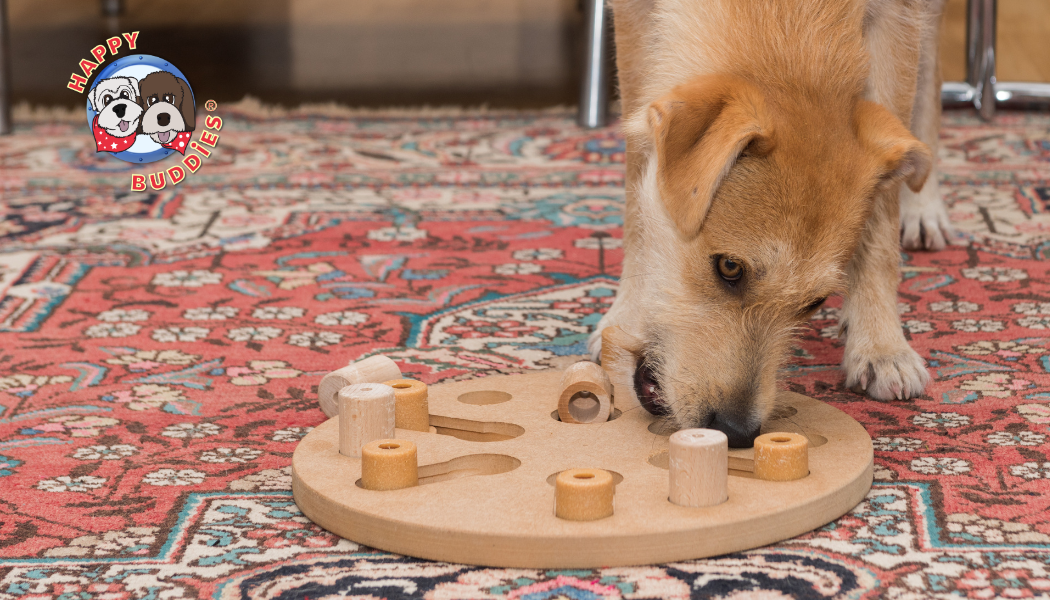
Durable puzzle toys and enrichment feeders are great for keeping dogs mentally stimulated and entertained during the holidays.
Don't forget to regularly inspect their toys for damage and remove any that pose a choking or ingestion risk.
7. Ensuring Adequate Exercise and Mental Stimulation
Despite busy schedules, dogs still require love, attention and regular physical and mental engagement. Daily walks, enrichment toys and calm interaction are essential for maintaining well-being and preventing stress-related behaviours. Christmas can be busy, but your dog still needs attention so make time for:
Walks and play sessions
Calm cuddles
Reassuring interaction when the house is busy
This can go a long way in making them feel included.
Have a Safe and Enjoyable Christmas with your Dog
With thoughtful preparation, awareness of seasonal hazards, dog safe choices and by taking a few simple precautions, the Christmas period can be safe, relaxing, enjoyable and stress-free for both you and your dog. Maintaining routine, managing environmental risks and prioritising your dog’s physical and emotional needs will help ensure a calm and healthy festive season.
Wishing you and your four-legged friends a happy, healthy Christmas!
Note: For professional advice regarding your dog’s health over the festive period, consult your veterinarian.