
The Truth About Puppy Blues
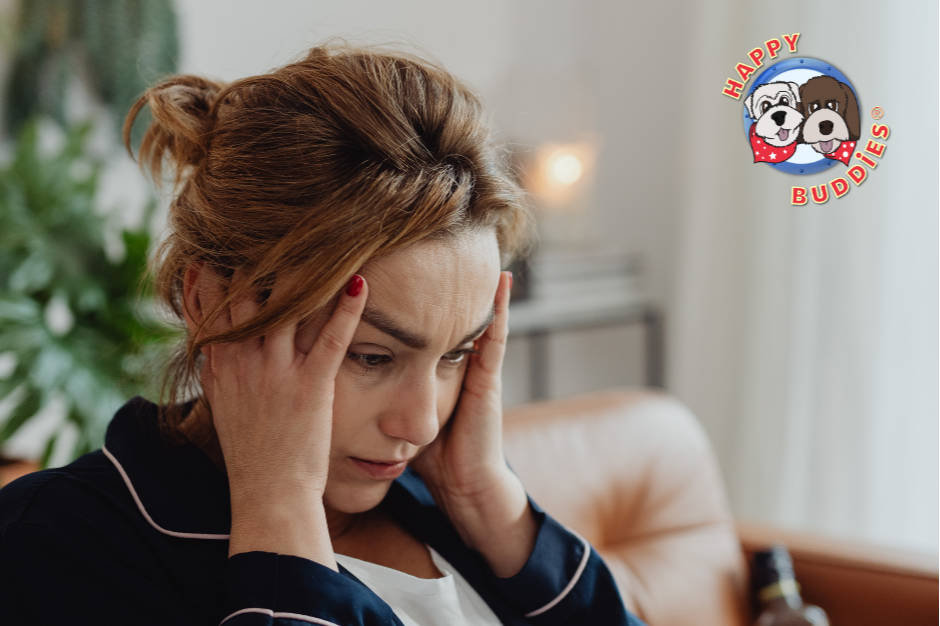
Bringing home a new puppy is often portrayed as being magical, full of cuddles and instant bonding but for MANY new puppy parents, the reality is very different and instead of feeling pure joy, many people feel overwhelmed, anxious and even regretful.
This is normal though - you’re adjusting to a major life change and raising a puppy is hard!
What Do Puppy Blues Feel Like?
Puppy Blues can make you feel:
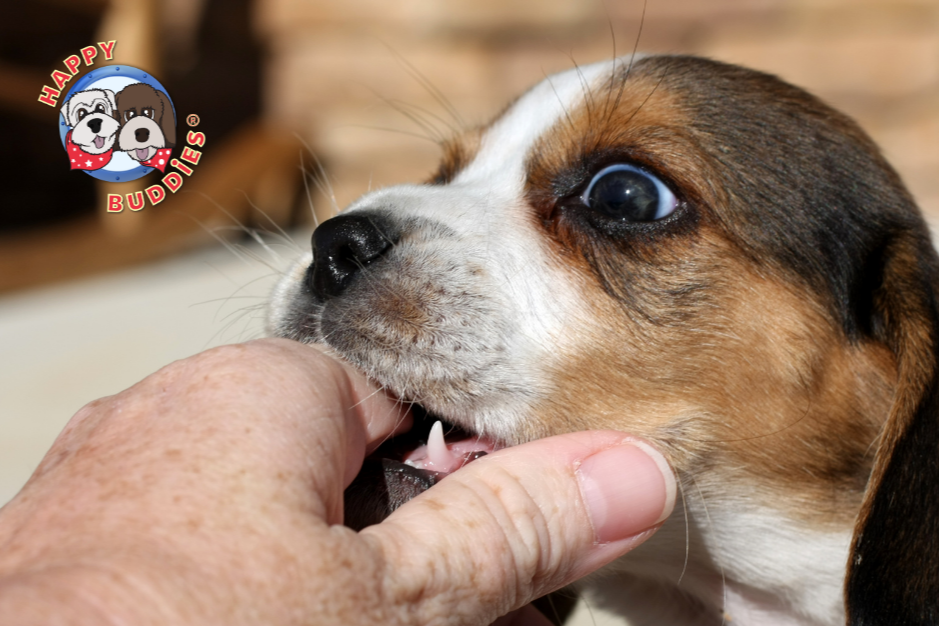
️🐾 Overwhelmed by the constant chewing, whining and toilet accidents
️🐾 Extreme exhaustion from disrupted sleep
️🐾 Anxious about whether you're doing things right
️🐾 Regretful about your decision or like you've made a mistake
️🐾 Disconnected or detached from your puppy and maybe even that you don’t like them
️🐾 Irritable, short tempered or on edge
️🐾 Mournful for your old routine or independence
🐾️'Trapped' at home
️🐾 Your living space is chaotic and no longer calm or peaceful
️🐾 Guilty for not feeling 100% happy
️🐾 Frustration with training setbacks
️🐾 Like your struggling to manage your puppy around children, other pets or work
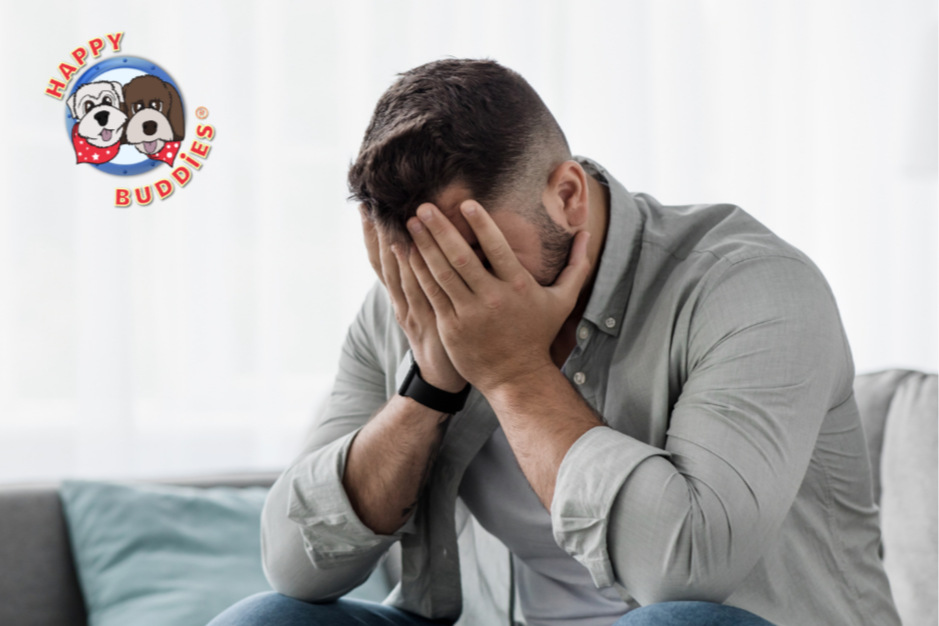
️🐾 Stressed, frustrated or even sadness and tearfullness that comes out of nowhere
🐾 Like you want to return them
These feelings are normal. You’ve just added a tiny, energetic, dependent creature to your life and it’s a massive adjustment! Your schedule has shifted, your sleep pattern has changed and the responsibility can hit hard but none of these feelings mean you don’t love your dog.
Why Do Puppy Blues Happen?
A new puppy changes nearly everything about your routine. Puppies require round-the-clock supervision, training from scratch, learning skills they don’t yet have, constant patience, consistency and energy - it’s similar to caring for a baby but without the post natal care and support most new parents receive.
Your brain is also responding to:
big responsibility
loss of predictability
interrupted sleep
overstimulation
fear of making mistakes
pressure to be 'the perfect dog owner'
When you put all that together your feelings of being overwhelmed are absolutely normal and a very valid response.
What Can Help?
You don’t have to push through it alone. Small changes can make a huge difference.
️🐾 Routine and structure:
Puppies thrive on predictable routines. Getting a good routine in place will help you stay calmer too.
️🐾 Management tools (these are lifesavers):
Things like baby gates, playpens and crates can lower chaos, prevent unwanted behaviours before they start and restore calm.
️🐾 Realistic expectations:
Lower your expectations and remember your puppy doesn’t arrive knowing human rules let alone your house rules. Remember as well that you’re learning too. Mistakes are part of the process - they are not evidence of failure.
️🐾 Talk to other puppy parents:
You’ll quickly learn that many have cried, questioned their decision or felt overwhelmed in those early weeks.
️🐾 Seek Professional Training Support:
A certified trainer or behaviourist can help stop frustrating behaviours from snowballing and give you confidence and clarity.
️🐾 Daily breaks:
Call on a dog walker, trusted friend or family member to help give you a break.
️🐾 Prioritise sleep:
You cannot function when you’re exhausted. Ask a partner or friend for one uninterrupted night or change things around so that both you and your puppy sleep better.
️🐾 Look after your mental health:
If your emotions feel heavy or persistent, reach out to a mental health professional. Puppy blues aren't dangerous but because your wellbeing matters extra support, especially during tougher transitions may be needed.
🐾 Celebrate the wins:
It’s easy to focus on the negatives when you are in a bad place mentally and emotionally but there’s ALWAYS something to be pleased about and making a list of all the good things that your puppy does can really help - even if you just add one good thing to that list a day you’ll soon start to see the positives and realise that your puppy isn’t all bad!
Most importantly
Puppy blues do not mean you’re doing something wrong, that you're a bad dog parent or that you shouldn’t have got a dog. They mean you’re human and you’re adjusting to a new chapter.
With time, consistency and support, your puppy will mature, settle and become the companion you imagined. And one day, you’ll look back on these early weeks and be proud of how far both you and your puppy have come.
You’ve got this!