
Understanding the Reasons Behind the 'Puppy Brakes'.
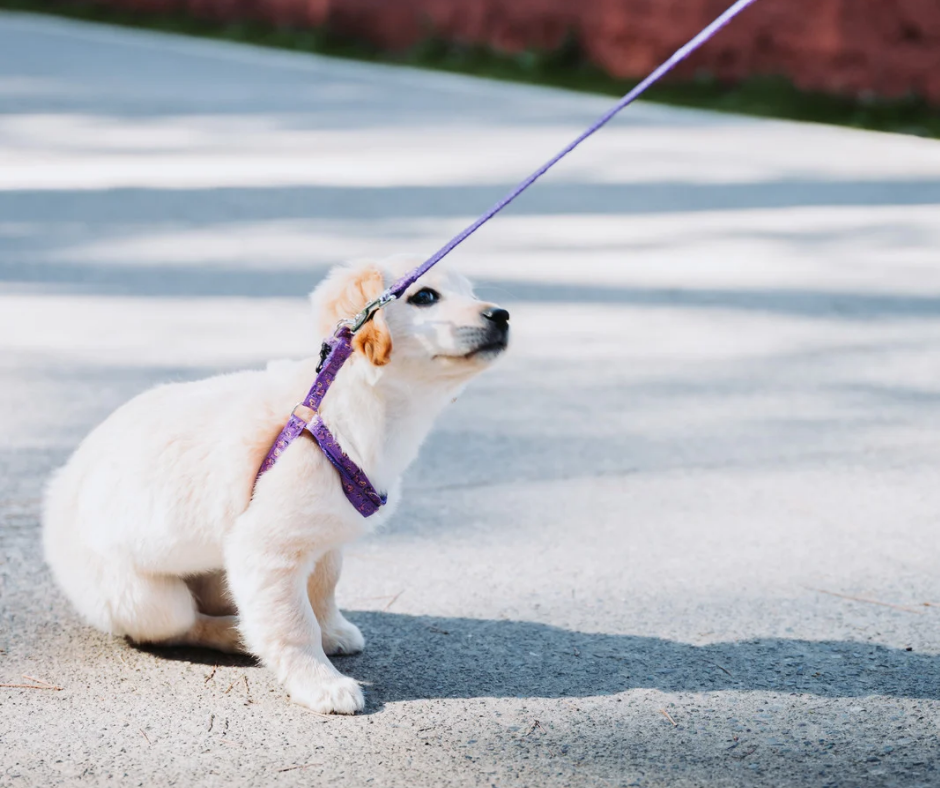
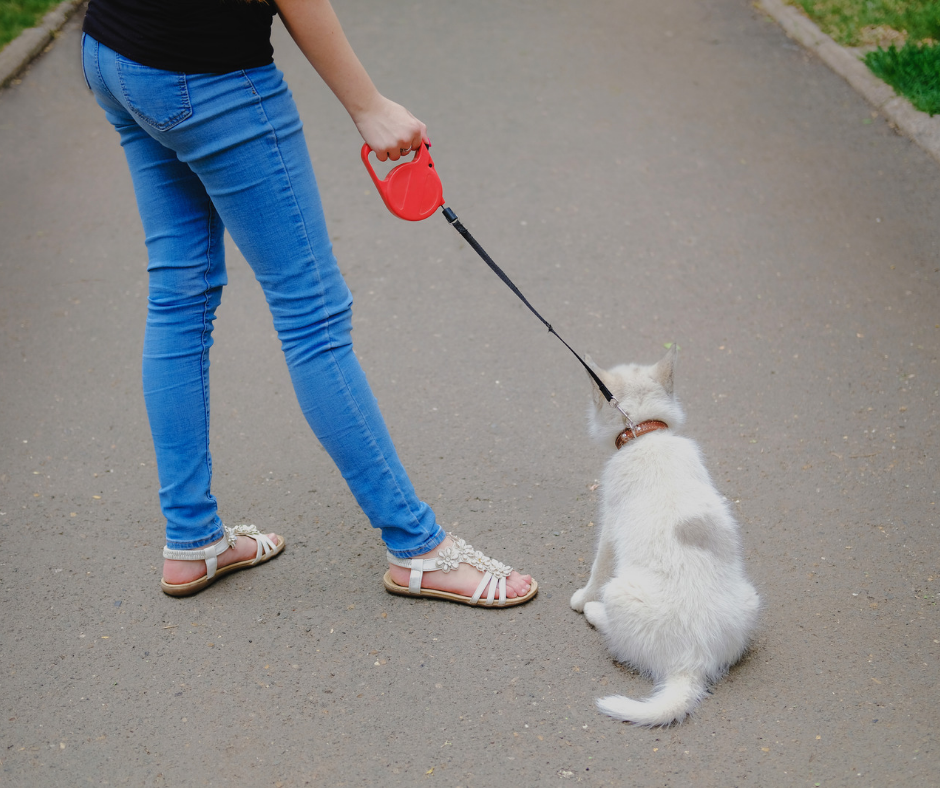
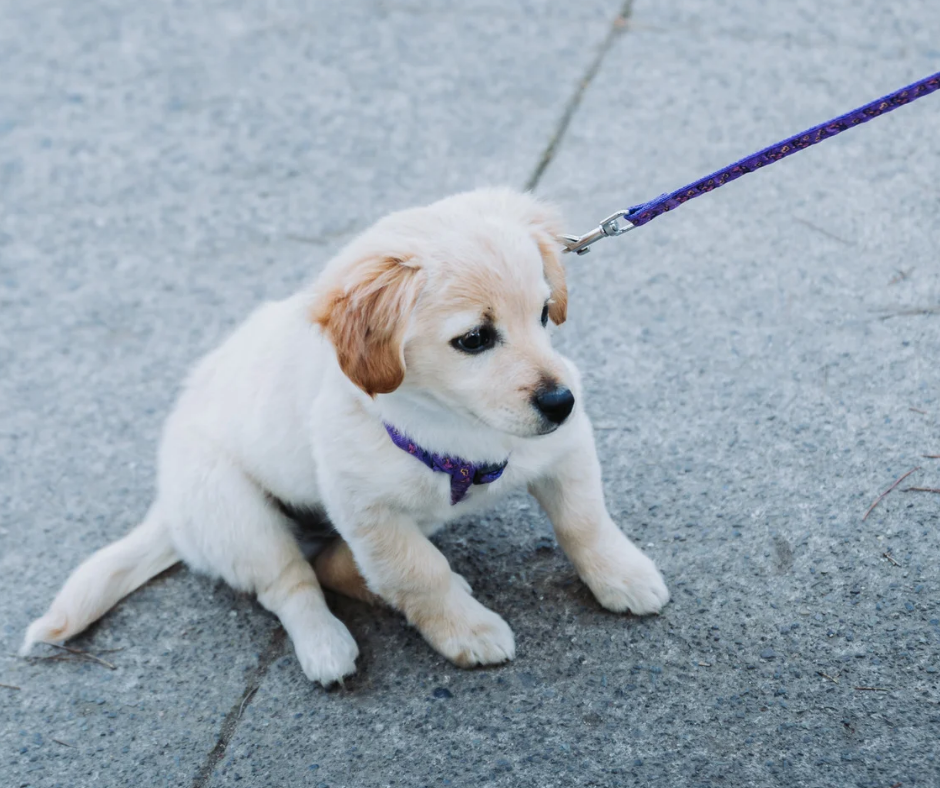
One of the most common questions I get from new puppy owners is "Why won’t my puppy walk on the lead?” It's such a common question that I'm asked it on nearly every Puppy School course that I run.
You clip the lead on, leave the house full of optimism and your puppy either plants their feet, flops onto the ground or turns into a statue. If this sounds familiar, don’t worry as this behaviour is very normal, especially in young puppies.
It’s very common that this refusal to walk tends to happen more when leaving the house rather than after you’ve driven somewhere such as to the park. The main reason for this is that home represents safety, familiarity and comfort. Home smells like them, it smells like you and it’s where all the good things happen. Walking away from home can, therefore, feel unsettling, especially for young or sensitive puppies. In contrast, when you drive to a new location, your puppy hasn’t formed the same emotional attachment to that place and because there’s no obvious 'safe base' to return to and they don't know the way home, they’re often more inclined to explore rather than resist. Additionally, arriving somewhere by car often puts your puppy straight into a stimulating environment with interesting smells and sights, which can override hesitation and encourage movement even in puppies that regularly refuse to walk just outside their front door.
So, sometimes it can help to just drive a short distance to your walk, away from your home, while your puppy is building confidence in the big wide world. However, if you want to help your puppy feel comfortable walking from their house, it's important to understand the most common reasons puppies refuse to walk and what you can do to help them feel confident and comfortable.
The main reasons your puppy might apply their brakes are:
️1. Your Puppy Is Overwhelmed by the World
To us, a walk is just a walk but to a puppy, it can be a sensory explosion. Too many new sights, sounds, smells, moving objects, people, dogs, traffic, wind, bins, bikes - it can all be a lot and a puppy can shut down when overloaded. When puppies feel overwhelmed, their natural response is often to stop moving.
This isn’t stubbornness. It’s your puppy saying “I’m not sure about this.”
What helps:
🐾 Keep walks short and slow initially
🐾 Let your puppy stop and observe
🐾 Avoid busy areas at first
🐾 Reward calm curiosity with praise or treats
🐾 Don’t drag or pull them
2. Health or Physical Discomfort
If your puppy refuses to walk, seems like they are in pain or shows signs such as limping, lethargy or yelping, it’s important to rule out medical issues. Check for sore paws, ill-fitting harnesses and any underlying issues like tummy pain, hip pain or injuries. Sometimes there may not be any obvious signs of pain, other than a refusal to walk so it's always best to get them checked out by a vet, just in case.
Possible causes include:
🐾 Sore paws
🐾 Growing pains
🐾 Ill-fitting equipment
🐾 Illness or injury
🐾 Other underlying medical issues
When in doubt, always check with your vet.
3. Fear or Lack of Confidence
The world is big and loud noises (cars, bikes, buses, voices), unfamiliar surfaces, strange objects and smells can all make a puppy too worried to step forward. Common scary walk triggers can include:
🐾 Cars or buses
🐾 Other dogs
🐾 People approaching
🐾 Noises (doors slamming, engines, shouting)
🐾 Unusual objects (street furniture, tree stumps, wheelie bins)
🐾 Open spaces or narrow paths
If your puppy freezes, pulls back or tries to retreat home, fear may be the cause.
What not to do:
🐾 Drag or pull your puppy forward
🐾 Force them toward the scary thing
This can increase fear and damage trust.
What helps:
🐾 Focus on fun exploration near home, not distance walking
🐾 Create distance from the trigger by moving away from it and rewarding calm observation
🐾 Let your puppy choose if they want to move towards the trigger and if they do, let them do it at their own pace, offer gentle reassurance and treats to make it positive
🐾 Build confidence gradually
4. The Lead and Harness Feel Strange
For many puppies, wearing a lead feels unnatural. It restricts movement, creates pressure and can feel confusing or uncomfortable, especially if they haven’t been introduced to it gradually.
Some puppies refuse to walk simply because:
🐾 They’re not used to the sensation
🐾 The harness doesn’t fit properly
🐾 The lead feels tight or restrictive
What helps:
🐾 Choose a good, well fitting harness or collar
🐾 Desensitise them to the lead, collar or harness first. Practice wearing the equipment indoors first
🐾 Let your puppy drag the lead around safely at home
🐾 Reward any calm movement while on lead
🐾 Check the fit and make sure it's snug, but not tight
🐾 When comfortable with it inside, try outside in the garden before going into the big wide world.
5. Your Puppy Is Tired (or Overstimulated)
Puppies don’t need long walks. In fact, too much exercise can lead to overtiredness, frustration, bitey behaviours or refusal to move at all.
A tired puppy may:
🐾 Sit or lie down
🐾 Stand still
🐾 Lag behind
🐾 Refuse to leave the house
Mental stimulation and rest are just as important as physical exercise so short, positive walks are far better than long, stressful ones.
6. They’d Rather Be at Home
Home is safe. Home smells familiar. Home has toys, food and you.
Many puppies happily walk towards home but refuse to walk away from it. This is completely normal and often fades as confidence grows.
What helps:
🐾 Start with very short distances
🐾 Walk away from your home, then back home quickly
🐾 Gradually increase distance over time
🐾 Make walks fun with treats, praise and play
🐾 Consider driving out somewhere, away from your home whilst their confidence builds.
7. Your Puppy Is Learning That Stopping Works
Sometimes, puppies learn (very quickly) that refusing to walk gets results, especially if stopping gets them attention. This doesn’t mean they’re being naughty, but consistency matters.
What helps:
🐾 Reward movement, not stopping
🐾 Keep encouragement calm and positive
How to Help Your Puppy Love Walking!
Here are some general tips to set your puppy (and you) up for success:
🐾 Keep walks short and positive
🐾 Let your puppy set the pace
🐾 Bring high-value treats
🐾 Avoid busy areas initially
🐾 Never force or drag your puppy
🐾 Celebrate small wins
Remember, walking nicely on a lead is a learned skill, not something puppies are born knowing how to do and some puppies need a little help from you to build their confidence.
My Final Thoughts
If your puppy refuses to walk, it’s rarely defiance. More often, it’s fear, confusion, tiredness or lack of experience. With patience, positive reinforcement, gradual exposure and not forcing them, most puppies grow into confident walkers. If they stop, there's no harm in carrying them a short way or ending the walk and trying again later.
Remember, your puppy isn’t giving you a hard time - they are having a hard time - but with the right support from you, it will get better.
If you’re struggling or feeling stuck, get in touch and I can help tailor a plan that builds your puppy’s confidence while protecting your bond.